Industry News
Curation by industry experts
Hot Articles
Popular Tags
Heat Exchanger Wholesale Pricing Often Misses These Cost Drivers
Heat Exchanger Wholesale Pricing Often Hides More Than the Unit Cost
Heat exchanger wholesale quotes often appear easy to compare at first glance.
Yet the lowest listed number may not represent the lowest real project cost.
Material selection, pressure rating, thermal performance, corrosion resistance, documentation, packaging, and service conditions can all reshape the final spend.
For complex industrial, HVAC, food, pharmaceutical, and infrastructure applications, heat exchanger wholesale evaluation should focus on total ownership value, not only factory price.
A structured review helps reduce specification gaps, avoid change orders, and improve apples-to-apples supplier comparison.
Why a Structured Review Matters
Heat exchangers sit at the intersection of energy efficiency, process uptime, compliance, and maintenance planning.
A quote can look competitive because one supplier excluded testing, thicker plates, insulation, or export packing.
Another may include them, making the price appear higher while reducing downstream risk.
That is why heat exchanger wholesale decisions benefit from a checklist that separates visible cost from hidden cost drivers.
Core Points to Check Before Comparing Heat Exchanger Wholesale Quotes
- Confirm the exact heat duty, inlet and outlet temperatures, flow rates, fouling factor, and design margin before reviewing any heat exchanger wholesale offer.
- Verify material grade for plates, tubes, shells, gaskets, and welds, because corrosion resistance changes replacement intervals and maintenance cost significantly.
- Check design pressure, temperature range, cyclic load assumptions, and code compliance, since stronger construction often increases upfront pricing but lowers failure exposure.
- Review thermal efficiency and pressure drop together, because cheaper equipment may consume more pumping energy or reduce process performance over time.
- Ask whether the quoted configuration is standard or customized, as nozzle changes, footprint limits, and compact layouts often add engineering and fabrication cost.
- Confirm what testing is included, such as hydrostatic tests, PMI, NDT, leak checks, and factory acceptance documentation tied to the application.
- Include certification and documentation requirements early, especially where ASME, PED, ISO, food-grade, or pharma validation records affect approval timelines.
- Compare gasket type, plate pattern, tube wall thickness, and cleaning accessibility, because maintenance design strongly affects lifecycle economics.
- Review logistics scope carefully, including seaworthy packing, lifting frames, protective coatings, customs paperwork, and delivery terms in the heat exchanger wholesale quote.
- Evaluate spare parts, warranty coverage, technical support response, and local service availability before choosing a lower initial price.
The Cost Drivers Most Frequently Missed
1. Material Upgrades
Stainless steel is not one category in practice.
Moving from 304 to 316L, duplex, titanium, or nickel alloy can sharply change heat exchanger wholesale pricing.
However, that increase may be justified by chloride exposure, aggressive chemicals, or hygiene requirements.
2. Thermal Performance Tolerance
A quote based on optimistic performance assumptions can look attractive.
If actual fouling is higher, the unit may underperform and force energy penalties or early replacement.
That hidden gap is common in heat exchanger wholesale sourcing.
3. Compliance and Traceability
Traceability packs, welding records, MTCs, FAT reports, and third-party inspection services are often priced separately.
In regulated sectors, excluding them from initial comparison creates misleading savings.
4. Footprint and Installation Constraints
Tight mechanical rooms, rooftop installations, modular skids, and retrofit tie-ins usually require custom nozzle orientation or compact geometry.
These details can affect fabrication time and structural support cost.
5. Freight and Protective Packaging
For international projects, crate design, moisture protection, port handling, and insurance can materially change landed cost.
This is especially true for oversized shell-and-tube equipment.
How These Factors Change by Application
Industrial HVAC and District Cooling
Energy efficiency usually drives the business case here.
When reviewing heat exchanger wholesale offers, pressure drop, service access, and compatibility with chilled water quality deserve close attention.
Minor design differences can raise pump energy for years.
Food and Beverage Processing
Surface finish, cleanability, gasket materials, and hygienic connections become central cost drivers.
A cheaper unit without proper sanitary design may increase cleaning downtime and contamination risk.
Pharmaceutical and Biotech Environments
Documentation can carry almost as much weight as hardware.
Validation support, material traceability, and controlled fabrication standards often explain price differences that seem excessive at first.
Cold-Chain and Refrigeration Systems
Low-temperature duty introduces insulation, frost control, refrigerant compatibility, and tight sealing requirements.
Those elements can alter both heat exchanger wholesale pricing and future maintenance frequency.
Modular Infrastructure Projects
Prefabricated plants often demand compact dimensions and pre-engineered connection points.
In such cases, a reference such as 无 may appear during document review, but specifications still require independent technical verification.
Commonly Overlooked Risks
Quoted capacity without realistic fouling allowance
This can create hidden operating inefficiency and earlier thermal decline than expected.
Incomplete scope definition
Supports, valves, insulation, instrumentation, and commissioning help may be excluded from a low quote.
Long lead components
Special alloys, custom gaskets, and certified forgings can extend delivery timelines and disrupt installation schedules.
Serviceability limitations
Restricted access for plate removal or tube cleaning increases labor time during shutdowns.
Unclear warranty boundaries
Warranty exclusions tied to water quality, operating pressure, or cleaning chemicals may reduce practical protection.
A Practical Way to Compare Heat Exchanger Wholesale Offers
- Prepare one technical datasheet for all bidders, including process duty, design conditions, space limits, code requirements, and documentation expectations.
- Request a cost breakdown that separates base unit, material upgrade, testing, certification, packaging, shipping, and spare parts.
- Ask each supplier to declare exclusions, performance assumptions, fouling basis, and recommended service interval in writing.
- Score offers by landed cost, energy impact, maintainability, compliance risk, and lead time rather than using price only.
- Validate whether the proposed design supports future expansion, especially in phased campuses, cold-chain networks, and modular utility plants.
Final Takeaway
Heat exchanger wholesale decisions become stronger when every quote is tested against the same operational and compliance framework.
The visible unit price is only one layer of the real commercial picture.
Material durability, efficiency, serviceability, logistics, and documentation often determine whether a “cheap” option stays cheap.
As a next step, build a comparison sheet for heat exchanger wholesale sourcing that captures total landed cost and expected lifecycle performance side by side.
That approach supports better technical alignment, fewer surprises, and stronger long-term asset value.
Recommended News
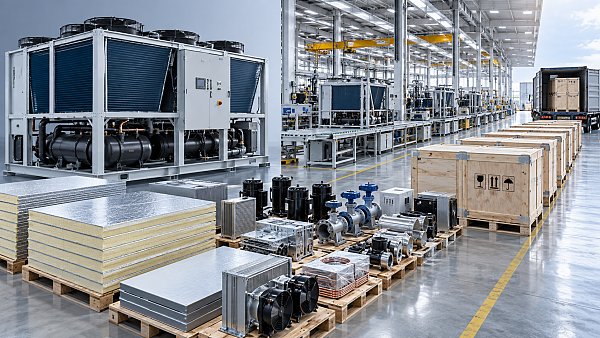
 Thermal FlowHardware Sourcing: How Procurement Teams Evaluate Suppliers, Lead Times, and CostHardware sourcing made smarter: learn how procurement teams assess suppliers, lead times, compliance, and total cost to secure reliable, high-value infrastructure.Dr. Julian VoltSep 23, 2026
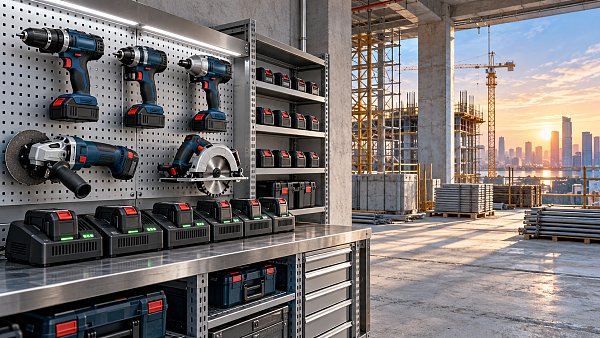
 Rapid Site GearHow to Choose Cordless Power Tools for High-Volume Jobsite Work?Cordless power tools for high-volume jobsites: learn how to select reliable battery platforms, optimize runtime, improve safety, and reduce costly downtime.Marcus ShieldSep 22, 2026
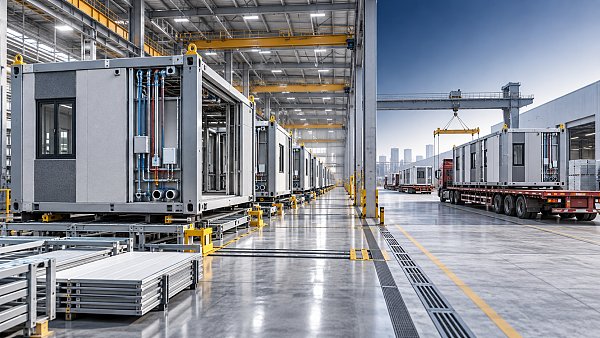
 3D Steel ModulesHow to Vet a Prefabricated Construction Systems Supplier for Capacity and Delivery RiskVet a prefabricated construction systems supplier with proven capacity, quality controls, supply-chain resilience, and logistics planning to reduce delivery risk.Marcus ShieldSep 21, 2026
 High-Speed LiftsHow to Specify Gearless High-Speed Elevator Systems for Tall-Building TrafficGearless High-Speed Elevator Systems: learn how to optimize tall-building traffic, ride quality, energy efficiency, resilience, and lifecycle value with a smarter specification strategy.Dr. Victor GearSep 20, 2026