Industry News
Curation by industry experts
Hot Articles
Popular Tags
What affects hvac insulation wholesale cost the most
When evaluating hvac insulation wholesale pricing, the biggest cost drivers often go far beyond the sticker price of materials. Factors such as insulation type, thermal performance requirements, project scale, regional supply conditions, and compliance standards can all significantly influence final procurement costs. Understanding these variables helps buyers, specifiers, and sourcing teams make more informed decisions before comparing suppliers or placing large-volume orders.
Why does hvac insulation wholesale cost vary so much between projects?
For information researchers and procurement teams, the first challenge is that hvac insulation wholesale is not a single, uniform commodity. Price changes reflect material chemistry, thickness, density, vapor-control needs, installation environment, and order complexity.
In industrial HVAC, cold-chain infrastructure, modular construction, and high-performance buildings, insulation is tied directly to energy loss, condensation control, maintenance access, and compliance exposure. A cheaper option at purchase can create a more expensive lifecycle outcome.
This is where a benchmarking-driven view matters. G-TSI evaluates thermal systems and building insulation decisions against practical engineering criteria and internationally referenced frameworks such as ASHRAE, ISO, and EN, helping buyers compare beyond simple unit price.
- Material differences affect cost structure. Closed-cell elastomeric foam, fiberglass, mineral wool, phenolic foam, and PIR-based products each carry different raw material and processing burdens.
- Project requirements affect specification. Chilled water lines, ductwork, rooftop equipment, mechanical rooms, and refrigerated spaces do not require the same insulation build-up.
- Commercial risk affects landed cost. Freight volatility, stock availability, protective packaging, import duties, and replacement lead times can shift the total budget materially.
The core question is not only “What is the unit price?”
The better question is which variable contributes most to final delivered and usable cost. In many tenders, the answer is specification mismatch rather than supplier margin. Over-specifying raises capital spend. Under-specifying raises energy, moisture, and rework costs.
Which cost drivers matter most in hvac insulation wholesale?
The table below highlights the main variables that typically shape hvac insulation wholesale cost across commercial, industrial, and cold-chain procurement contexts. Buyers can use it as an early-stage comparison framework before requesting quotations.
The practical takeaway is simple: material type starts the conversation, but required performance and logistics often decide the final hvac insulation wholesale budget. For mission-critical facilities, documentation and reliability can outweigh nominal product savings.
How do material choices change wholesale pricing?
Material selection is usually the most visible cost driver in hvac insulation wholesale. However, buyers should compare not only the base material, but also its behavior in temperature cycling, moisture exposure, fire-rated assemblies, and space-constrained retrofits.
Common insulation categories in HVAC and thermal infrastructure
- Elastomeric foam is often selected for chilled water piping and condensate-sensitive systems because it combines insulation and vapor resistance in one flexible format.
- Fiberglass remains common for duct insulation and some mechanical applications where cost discipline is important and the vapor-control layer can be separately engineered.
- Mineral wool is often specified where higher temperature resistance, acoustic benefits, or certain fire-performance objectives influence the design basis.
- Rigid foam boards such as PIR or phenolic solutions may enter projects requiring slim profiles, panelized systems, or high thermal efficiency per thickness.
A lower-cost fiberglass option may look attractive on paper, yet if the application includes cold surfaces and poor joint sealing conditions, additional vapor barriers, mastics, jackets, and labor coordination may raise total installed cost above a premium foam solution.
For data-driven sourcing, G-TSI recommends comparing each candidate against the real operating envelope: service temperature, ambient humidity, maintenance frequency, washdown exposure, and shutdown tolerance. That context determines whether an economical or high-spec product is truly cost efficient.
What specification details push hvac insulation wholesale cost upward?
Many procurement teams focus on insulation thickness first. Thickness matters, but several hidden specification details can move hvac insulation wholesale pricing faster than expected, especially in regulated or high-performance facilities.
High-impact specification variables
- Service temperature range. Cryogenic, refrigerated, chilled, and warm-air systems all impose different thermal stability expectations.
- Condensation control requirement. Systems below ambient dew point usually need more robust vapor-tight detailing and accessory selection.
- Fire and smoke criteria. Internal standards, insurance requirements, or public-building codes may limit acceptable materials and facings.
- Mechanical durability. Rooftop runs, exposed plant rooms, and transport-sensitive modules may require jackets or denser products.
- Hygiene and cleanability. Food processing, pharma support areas, and cold-chain rooms often need surfaces that are easier to maintain and inspect.
Once these variables are documented, a quote becomes more meaningful. Without them, two suppliers may appear far apart in price while actually quoting different performance packages. This is a common reason researchers struggle to build a fair comparison matrix.
How should buyers compare material options and total cost?
The comparison table below is designed for buyers reviewing hvac insulation wholesale options across thermal performance, installation demands, and procurement risk. It does not prescribe one universal winner because application context changes the answer.
A disciplined procurement review should compare installed-system logic, not just catalog price. In many hvac insulation wholesale evaluations, the best-value option is the one that reduces accessory count, jobsite errors, and lifecycle performance drift.
How do project scale, location, and delivery timing affect wholesale cost?
Scale usually improves negotiating leverage, but only up to a point. Very large hvac insulation wholesale orders can trigger separate issues such as phased shipping, storage losses, moisture exposure during staging, and mismatch between delivery sequence and installation readiness.
Regional factors also matter. Local stock can reduce lead times and freight, while imported products may involve customs documentation, exchange-rate volatility, and replacement delays if any batch issue appears after partial installation.
For hospitals, food facilities, logistics cold rooms, district cooling networks, and modular plant projects, timing risk can be as costly as the product itself. A cheaper quote with uncertain lead time may create schedule penalties or force temporary substitutions.
Questions buyers should ask before placing a bulk order
- Is pricing based on immediate shipment, rolling delivery, or reservation against future production capacity?
- What packaging method is used for pipe sections, rolls, sheets, and fragile facing materials?
- How much on-site waste should be assumed for elbows, tees, valves, and irregular geometry?
- Can the supplier support mixed loads for duct, pipe, and accessory kits to reduce fragmented procurement?
What standards and compliance requirements can increase cost?
Compliance is a major cost variable in hvac insulation wholesale, especially for institutional, infrastructure, pharmaceutical support, and food-related environments. Testing records, declaration formats, and performance evidence may all influence sourcing decisions.
Depending on the project region and asset type, teams may need to review thermal conductivity declarations, reaction-to-fire classifications, smoke characteristics, vapor permeability, acoustic behavior, or environmental documentation. Requirements differ, and assumptions can be expensive.
Compliance areas that often affect procurement
- ASHRAE-aligned design expectations for energy efficiency and condensation control in HVAC systems.
- ISO and EN reference points used in international tendering, product comparison, and documentation review.
- Owner-specific standards for cold-chain continuity, hygiene-sensitive spaces, or modular system integration.
G-TSI’s role is especially relevant here because many buyers are not only choosing material; they are defending a specification to technical reviewers, finance teams, and compliance stakeholders. A clear benchmark reduces internal uncertainty and improves vendor comparison quality.
A practical procurement guide for information researchers
If you are still in the research phase, the best way to evaluate hvac insulation wholesale offers is to structure your inquiry before requesting quotations. This saves time and exposes hidden scope differences early.
Five-step evaluation approach
- Define the application precisely: pipe, duct, vessel, panel, plant room, rooftop, or refrigerated enclosure.
- List operating conditions: temperature range, humidity exposure, interior or exterior use, and cleaning regime.
- Document performance needs: thermal target, condensation control, fire behavior, acoustic benefit, and service life expectation.
- Clarify commercial scope: quantity, accessory package, delivery destination, phase schedule, and sample requirement.
- Request evidence with the quote: datasheets, testing references, packaging details, and lead-time assumptions.
This method is particularly useful across G-TSI’s operating pillars, where thermal hardware and spatial infrastructure interact. HVAC insulation decisions can affect modular construction interfaces, cold-storage efficiency, and long-term maintenance planning all at once.
Common misconceptions about hvac insulation wholesale
“The lowest material quote is the best deal”
Not always. Lower-priced insulation may require more accessories, create more waste, or perform poorly in high-humidity conditions. The cheapest line item can become the costliest system after installation and maintenance.
“More thickness automatically means better value”
Only if the thickness is aligned with actual thermal calculations and dew-point risk. Excess thickness adds cost, space pressure, and handling complexity without guaranteed operational benefit.
“Any product with a similar appearance is comparable”
Appearance is a poor proxy. Similar-looking products can differ in density, cell structure, facing integrity, thermal conductivity declaration, and long-term moisture behavior. These differences strongly affect hvac insulation wholesale value.
FAQ: what do buyers ask most often?
How should I compare hvac insulation wholesale quotations fairly?
Use a side-by-side matrix covering material type, thickness, density, facing or vapor barrier, accessories, packaging, lead time, and standards documentation. If one supplier excludes adhesives, jackets, or fittings treatment, the quote is not directly comparable.
Which applications are most sensitive to insulation specification mistakes?
Chilled water systems, low-temperature distribution, cold rooms, food logistics spaces, and facilities with high ambient humidity are especially sensitive. In these cases, condensation failure can trigger corrosion, hygiene issues, or energy waste quickly.
Does buying larger volume always lower hvac insulation wholesale cost?
Often, but not automatically. Larger orders may reduce per-unit pricing while increasing storage risk, freight coordination, phased delivery charges, or waste from early batch exposure. The true saving depends on delivery discipline and installation sequencing.
When should I ask for technical review before sourcing?
Ask early if your project involves mixed environments, strict fire criteria, modular assembly interfaces, cold-chain performance, or uncertain dew-point conditions. Early review prevents buying a low-cost product that fails the operating context.
Why choose us for hvac insulation wholesale research and specification support?
G-TSI supports decision-makers who need more than a price list. Our multidisciplinary lens connects HVAC insulation with cold-chain resilience, large-scale thermal management, modular construction logic, and compliance-oriented infrastructure planning.
If you are comparing hvac insulation wholesale options, you can consult us on parameter confirmation, insulation type matching, application-based selection, likely lead-time constraints, documentation expectations, and scenario-specific trade-offs between upfront cost and operational performance.
You can also discuss sample support strategy, quotation comparison frameworks, accessory scope review, and how to align insulation choices with ASHRAE-, ISO-, or EN-referenced project requirements. That makes your internal evaluation faster, clearer, and easier to defend.
For teams planning a large procurement, retrofit, or regulated-facility upgrade, contact us with your service temperature range, application type, target thickness, project volume, delivery location, and compliance needs. We can help you narrow suitable options before formal supplier engagement.
Recommended News
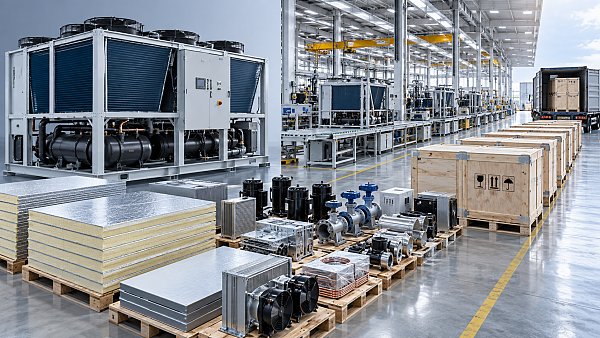
 Thermal FlowHardware Sourcing: How Procurement Teams Evaluate Suppliers, Lead Times, and CostHardware sourcing made smarter: learn how procurement teams assess suppliers, lead times, compliance, and total cost to secure reliable, high-value infrastructure.Dr. Julian VoltSep 23, 2026
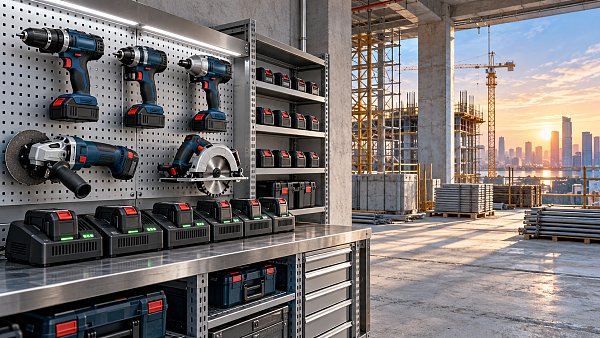
 Rapid Site GearHow to Choose Cordless Power Tools for High-Volume Jobsite Work?Cordless power tools for high-volume jobsites: learn how to select reliable battery platforms, optimize runtime, improve safety, and reduce costly downtime.Marcus ShieldSep 22, 2026
 3D Steel ModulesHow to Vet a Prefabricated Construction Systems Supplier for Capacity and Delivery RiskVet a prefabricated construction systems supplier with proven capacity, quality controls, supply-chain resilience, and logistics planning to reduce delivery risk.Marcus ShieldSep 21, 2026
 High-Speed LiftsHow to Specify Gearless High-Speed Elevator Systems for Tall-Building TrafficGearless High-Speed Elevator Systems: learn how to optimize tall-building traffic, ride quality, energy efficiency, resilience, and lifecycle value with a smarter specification strategy.Dr. Victor GearSep 20, 2026