Industry News
Curation by industry experts
Hot Articles
Popular Tags
Compostable vs Biodegradable Plastic Bags: What Food Businesses Should Check Before Buying
For food operations, the choice between compostable and biodegradable plastic bags is not a branding detail. It shapes waste handling, food-contact compliance, shelf performance, and disposal outcomes. That is why compostable biodegradable plastic bags deserve a closer review before any volume purchase.
The issue also connects to a wider infrastructure conversation. Across food storage, transport, and controlled environments, packaging decisions now sit beside cold-chain reliability, sanitation control, and material traceability. From a G-TSI perspective, that makes bag selection part of operational resilience, not just sustainability messaging.
Why the distinction matters more than the label
Many buyers treat these terms as interchangeable. In practice, they describe different end-of-life pathways and different testing expectations.
A biodegradable plastic bag is designed to break down over time through microbial activity. That sounds straightforward, but the speed, conditions, and residues may vary widely.
A compostable bag has a narrower claim. It is expected to break down under defined composting conditions and leave no harmful residues beyond accepted limits.
This difference matters in food settings because disposal routes are rarely ideal. A bag may perform well in industrial composting, yet fail to degrade meaningfully in landfill, marine, or ambient storage conditions.
So when comparing compostable biodegradable plastic bags, the first question is not which term sounds greener. The real question is what verified environment the claim actually covers.
What food businesses should verify before buying
A practical review usually begins with evidence, not product copy. Marketing language often compresses important differences that later affect cost and compliance.
1. Certification and standards
Look for recognized certification rather than self-declared claims. In many markets, standards such as EN 13432, ASTM D6400, or related compostability benchmarks provide a clearer baseline.
If a supplier offers compostable biodegradable plastic bags without naming the standard, the claim is incomplete. A certificate should identify the material scope, test basis, and issuing body.
2. Food-contact safety
Sustainability claims do not replace food safety requirements. The resin, additives, inks, and adhesives still need to match the intended food-contact application.
Direct contact with bakery items, produce, frozen goods, or prepared meals can trigger different testing needs. Migration limits and local food-contact regulations should be checked early.
3. Mechanical performance
A bag that degrades properly but tears during filling creates waste immediately. Tensile strength, puncture resistance, seal integrity, and moisture behavior matter as much as environmental claims.
This is especially relevant for wet waste, chilled ingredients, and high-turnover service environments. Compostable biodegradable plastic bags can vary greatly in durability, even when claims appear similar.
4. Storage conditions and shelf life
Alternative materials are often more sensitive to humidity, heat, and storage duration. A bag that sits too long near warm processing lines may lose handling quality before use.
G-TSI’s broader infrastructure lens is useful here. Material performance should be assessed within the real thermal conditions of kitchens, back rooms, loading docks, and cold-chain interfaces.
5. End-of-life realism
A compostable bag only creates value if the collection and treatment system exists. If local waste streams send everything to landfill or incineration, the environmental outcome may differ from the label promise.
This is often the most overlooked part of buying compostable biodegradable plastic bags. Disposal compatibility should be confirmed before specifications are finalized.
Common use cases where the decision changes
Not every food application needs the same bag type. The best choice depends on what the bag carries, how long it stays in service, and where it goes after disposal.
In other words, the right answer is usually application-specific. One material may suit food scrap diversion, while another performs better in retail handling or refrigerated logistics.
Where misunderstandings create cost
The most expensive mistakes often come from assumptions that seem minor at the buying stage. Once bags are rolled out across locations, corrections become slower and more visible.
- Assuming “biodegradable” means home compostable or industrially compostable.
- Using one specification for dry goods, wet waste, and chilled operations.
- Ignoring printing, labeling, and colorants that affect certification scope.
- Choosing based on unit price without calculating breakage and disposal costs.
- Overlooking local waste-handler acceptance rules for compostable streams.
Brand trust is also involved. If compostable biodegradable plastic bags are promoted as part of a sustainability program, weak evidence can quickly undermine that message.
A procurement lens shaped by infrastructure realities
Food packaging does not operate in isolation. It sits inside temperature-managed facilities, cleaning routines, transport cycles, and waste segregation systems.
That is where the G-TSI framework adds value. Decisions improve when packaging is evaluated alongside spatial infrastructure, thermal exposure, and international compliance expectations.
For example, a bag specified for ambient retail may behave differently in a cold-chain corridor or humid prep area. Material benchmarking should reflect the actual operational envelope, not a generic catalog condition.
The same applies to waste management. Compostable biodegradable plastic bags work best when collection systems, storage intervals, and treatment access are mapped in advance.
A simple checklist before approval
Before moving from samples to contract quantities, it helps to review a short set of evidence points.
- Match the bag to the exact use case, not a broad sustainability category.
- Confirm compostability or biodegradability with named standards and current certificates.
- Verify food-contact suitability for the intended product type and market.
- Test performance under real loading, moisture, and temperature conditions.
- Check shelf life, storage guidance, and stock rotation requirements.
- Validate whether local disposal channels actually support the claimed end-of-life route.
If any one of these points is weak, the comparison is not finished. A lower-cost option can become the higher-risk option very quickly.
What to do next with compostable biodegradable plastic bags
A useful next step is to narrow evaluation to two or three real operating scenarios. That usually reveals more than a broad product comparison sheet.
Focus on certification, food safety, thermal exposure, handling strength, and disposal fit. Those factors create a more reliable basis for selecting compostable biodegradable plastic bags than headline claims alone.
When the decision is tied to actual infrastructure conditions, the result is clearer: fewer surprises in use, fewer compliance gaps, and a sustainability claim that can stand up to scrutiny.
Recommended News
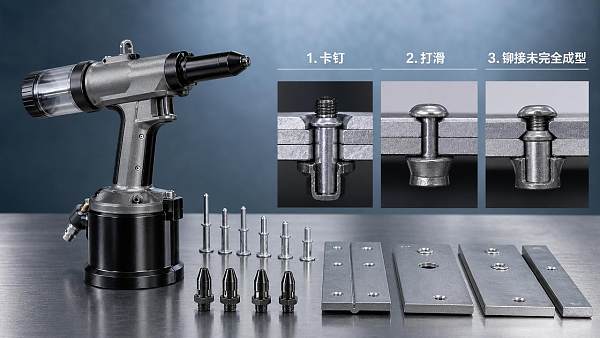
 3D Steel ModulesHeavy Duty Rivet Gun Problems: Why Rivets Jam, Slip, or Fail to Set ProperlyHeavy duty rivet gun problems explained: learn why rivets jam, slip, or fail to set, plus practical fixes to reduce downtime, improve fastening quality, and choose the right tool.Marcus ShieldJun 16, 2026
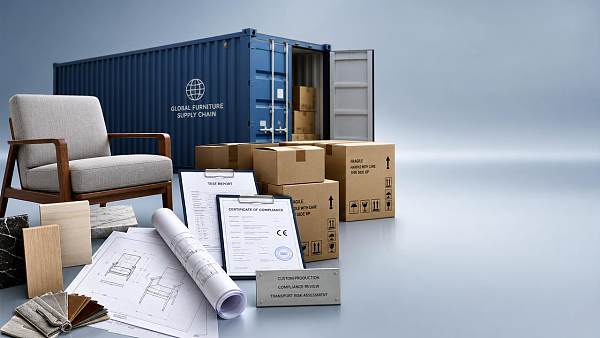
 Rapid Site GearHow to Evaluate Furniture Exporters for Custom Orders, Compliance, and Shipping RiskFurniture exporters for custom orders should be evaluated on capability, compliance, and shipping risk. Learn how to compare suppliers, avoid costly delays, and choose with confidence.Marcus ShieldJun 16, 2026
 Modular FabsChunky Knit Blanket Wholesale: How to Compare MOQ, Material Quality, and Lead TimeChunky knit blanket wholesale guide: compare MOQ, material quality, and lead time to avoid hidden costs, reduce supplier risk, and choose the right partner with confidence.Marcus ShieldJun 16, 2026
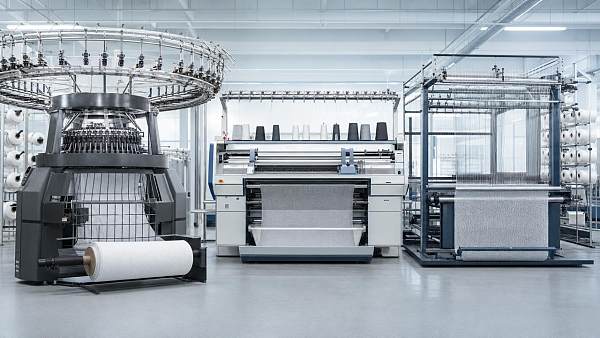
 Module LogicIndustrial Knitting Machines Explained: Types, Gauge Differences, and Best UsesIndustrial knitting machines explained clearly: compare circular, flat, and warp types, understand gauge differences, and find the best machine for every fabric application.Marcus ShieldJun 16, 2026